What is a SERP, and why do search results keep changing?
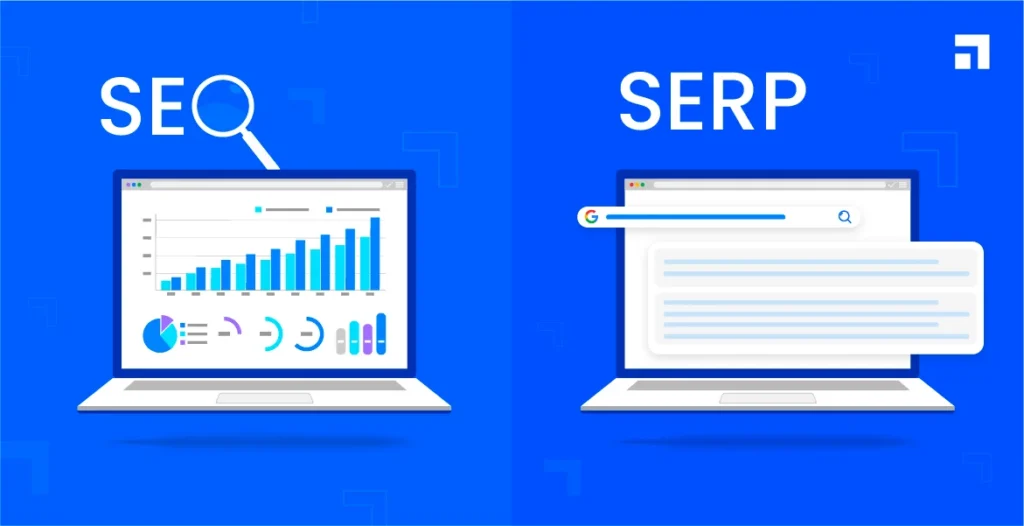
Translated edition of the 2020 archive. Historical tools, figures and interface descriptions may have changed.
SERP stands for Search Engine Results Page: the page a search engine displays after someone enters a query.
For example, if you search for “chocolate cake”, you will see a collection of websites related to that phrase. Each page of those results is a SERP. Results respond to your query, but another person searching for the same keyword may see something different.
Differences can reflect the user’s physical location, browsing history and interests. Results also include two broad types: organic listings ranked by search algorithms, and sponsored listings or advertisements, whose targeting may reflect characteristics such as location and interests.
The relationship between SEO and the SERP
A website’s visibility in search results reflects the effectiveness of its SEO management and strategy. Strong performance can help it appear on the first page. Rankings are not fixed: changes in website performance create competition to offer audiences better content and services.
Why SERPs matter
Competition for the first page and leading positions is intense. The original 2020 article cited a figure of more than 90% of users looking only at the first results page, and described a first-page position as a potential guarantee of business success. These are historical claims from that article, not promises about traffic or business results. Its central argument is that keyword selection and visibility matter greatly to businesses and website managers.
Improving visibility in search results
Useful, high-quality content and a sound keyword strategy work together. Start by understanding your competitors and consider: the most important keywords, often short and highly competitive; competitors’ positions across different keyword groups; the strengths and weaknesses those positions reveal; shorter and longer phrases where competitors are less effective; and combinations of keywords that can support your main topics.
Changes in the SERP
Google’s results pages continually change in an effort to meet users’ needs. Websites seeking sustained organic traffic need to maintain useful visibility. Imagine that analysis in BrightEdge shows 51% of your website traffic comes from organic search. In that situation, changes to search results could substantially affect the business. This is an illustration, not a benchmark for every website.
Your position, and the number of relevant competing sites appearing above you, influence the clicks you receive. Understanding what people actually want when they type a query helps you anticipate the links they will choose and the content that will satisfy them.
Google has invested heavily in understanding intent. Website owners can take the same approach: investigate the purpose behind a search, then offer content that meets that need. This can improve both user satisfaction and the relevance of the website to search.
Changes discussed in the original article
The article discussed the removal of search ads from the sidebar and the increased space given to ads above organic listings for certain queries. It also emphasized Google’s growing focus on understanding and applying user intent.
Signs of this approach had been visible for years: Google may interpret a phrase in a particular way, so two differently worded searches for a similar subject can produce different results.
How search results differ
In Google’s early days, results looked much more alike, with fewer differences in appearance and functionality. As online advertising developed and competition intensified, additional SERP features created new ways for a website to stand out. Understanding the layout of the results page is therefore part of understanding search visibility.